
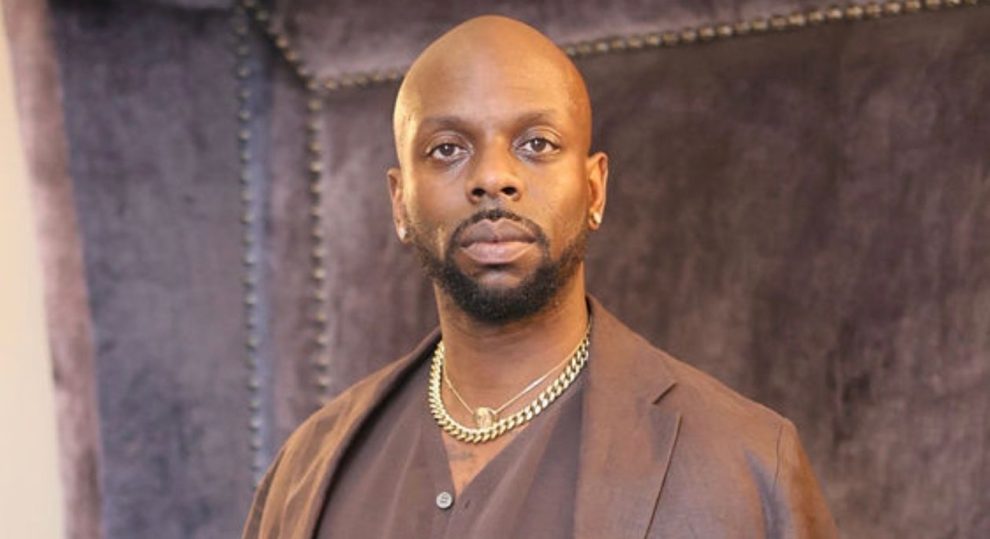
Legendary producer Rodney “Darkchild” Jerkins (Brandy, Michael Jackson) sparked a viral moment in February about artists’ masters and publishing after revealing his strategy for selling catalogs. While the “The Boy Is Mine” hitmaker’s catalog includes timeless classics from Jay-Z, 50 Cent, and Heavy D, his comments created an unclear understanding about how artists’ catalogs are valued, structured, and sold. Enter Paul Ogunmefun, founder and president of Melodofi, with over 15 years in the music business and one of the leading men in music acquisitions.
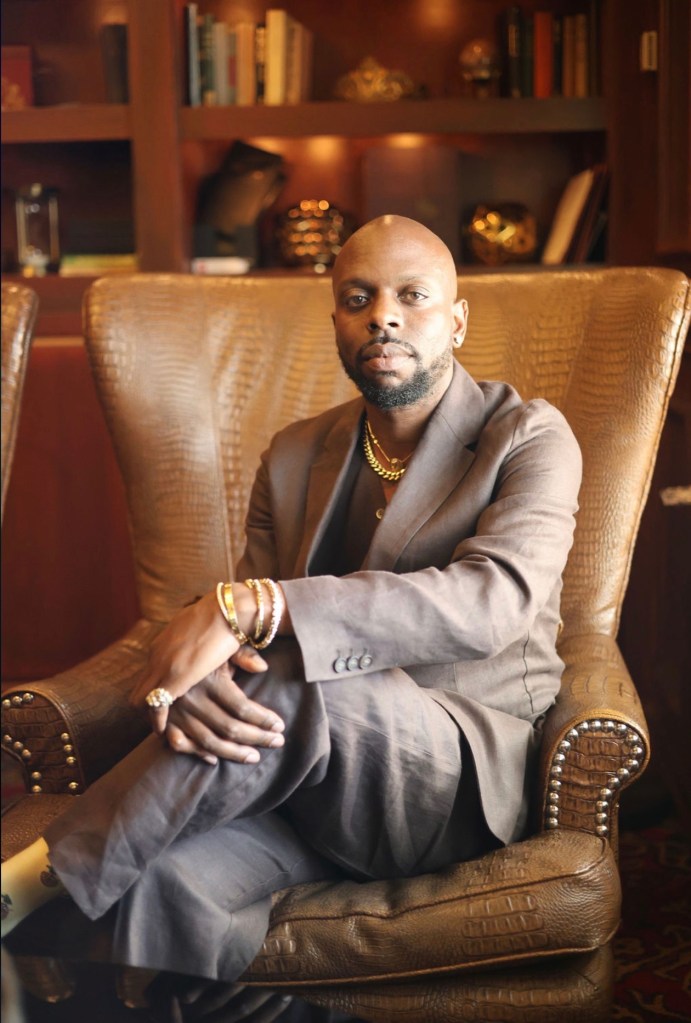
Artists selling their music catalogs have become as trendy as they’ve ever been in pop culture. Eve sold her music catalog for $50 million, Lil Wayne sold his for $100 million, and Dr. Dre sold their catalogs for $200 million. While many believe artists are releasing ownership of all the music they’ve ever made to buyers, the process is far more complicated than they think due to various legal stipulations.
A music catalog’s value is determined by analyzing its royalty earnings, ownership rights, copyright duration, market trends, and revenue sources. Buyers evaluate streaming performance, sync potential, artist relevance, and growth opportunities to determine a catalog’s market value based on risk and future cash flow.
Blaming the media’s simple explanation of what it means for an artist to sell their catalog, Darkchild breaks it down:
“All my artists that are signed to my label, Alienz, they own their masters. And I want him (artist) to do the same. I want to be able to tell him — when it’s time — ‘Yo, it’s time for you to let that go.’ Well why? Because you got a family and you got things you want to do. And, trust me, I’ve done this over and over again. And what people don’t realize is that, a lot of times, the press releases confuse people.”
Darkchild continued: “Because they’ll be like, ‘Oh so-so sold for $10 million, Timbaland sold his catalog, so-so, Justin Bieber sold his catalog. People not selling their whole catalogs, bro. People not selling everything. Sometimes you sell increments. Little things here and there, right? And you play the numbers game. You see what those multiples gon look like. And if you do the timing of everything, you say, ‘dang, okay,’ well I’m be 90 years old. I might be gone. I can do that, put that into my children now.”
While Darkchild’s strategy works for him and his artists, Ogunmefun and Melodofi advise others that what works for the legendary producer may not work for another individual due to negotiation skills and value.
“One, remember, people can ask for anything,” said Ogunmefun regarding Darkchild’s viral clip via Zoom. “It’s about what you can get, and what you can prove, right? No, you’re not Darkchild. You can have the same numbers as him, but you’re not him. Just like. I have people that work for me that are extraordinary, but I’m the face of the company for a reason.”
At Melodofi, Paul Ogunmefun works at the intersection of music rights, artist strategy, and finance. With over $47 million in catalog deal flow, he helps artists navigate a complex marketplace, balancing financial opportunities with creative ownership. The company’s name reflects respect.
“Melodofi, we call it ‘respect the art,” said Ogunmefun about the company’s title origin. “Music has been around forever. Tech innovates music. So I just combined them, so respect the art, and that’s what Melodofi means — and it sounds cool.”
The Future of Music Catalogs Is Paul Ogunmefun’s Melodofi
In the tech industry, Ogunmefun thrived as a technology executive with experience in data analytics, business development, and revenue growth. He has held leadership roles at Datacy and Micrologic Associates, helping companies leverage technology, customer insights, and commercial strategy. His work bridges data-driven innovation, market expansion, and emerging opportunities across industries.
Melodofi aims to compete in the music industry by combining the financial needs of institutional counterparties with a practical understanding of how artist deals are finalized. When securing the best deal, appeal often determines the outcome.
“It’s all about who you are,” said Ogunmefun. “Some catalogs are just sexier than others. I got a catalog that prints money. It’s such an amazing deal.”
Controversy can indeed drive music sales, but it can also complicate business agreements. It’s essential for artists to leave a lasting impression.
“I’m dealing with this right now,” Ogunmefun revealed. “It’s an amazing deal, but no one wants it. ‘Cause they don’t like the artists.”
Melodofi’s resume includes acquiring and sell of the catalog of the “Hold Yuh” hitmaker Gyptian. The Caribbean legend’s catalog highlights its nostalgic appeal and ongoing revenue, as today’s stars introduce the classics to new fans.
On the deal highlights music with people’s special moments, Ogunmefun said:
“Gyptian recently sold. I did that deal. And his song ‘Hold Yuh.’ It’s special. Caribbean artists. People are gonna listen to this forever. IT’s gonna come on the radio forever. It’s going to play on Hot 97 forever. When it’s someone’s birthday, carnival, forever. I just saw Ed Sheeran singing, ‘Hold Yuh.’ So something like that is gonna be hotter than other catalogs, even though this guy’s making ten times more money than Gyptian’s catalog, right? Because it’s Gyptian and it’s special.”
Clarifying the comparisons, Ogunmefun reverts to an original statement and continued:
“So, it’s not all about what it’s worth; it’s about what you can get. That’s why I’m saying, that’s what we’re doing. That’s what we’re bringing. Imagine the possibilities. Like, yeah, okay, I see this number, but this is Gyptian. This is special. This is a generational talent. This is not about money. If you want this, you’re gonna pay it. You’re gonna pay for the joy, and you’re gonna pay for the pain. That’s what this song is. And that’s why it’s worth more. Because I don’t care about these numbers. We are the numbers. You’re paying for art. It’s worth what it’s worth. What we say it’s worth.”
Building your catalog starts with your first piece of music, but many artists believe masters and publishing only begin after signing a major record deal. Many artists think that masters and catalogs only hold value if they’ve achieved success in their careers. Contrary to popular belief, Ogunmefun asserts that the truth is quite different.
“If you create, you own it,” he says. “You’re the birthday, brother. If you create something, just because it has no vaule today, doesn’t mean its not going to have any value tomorrow. That’s why I always emphasize to artists sometimes… pay.”
Financial struggles are common for the independent, often leading to swaps and favors for payment. However, early decisions can lead to future complications. Using examples, Ogunmefun explained:
“Sometimes people will say, ‘Hey, here’s a beat’ or you’re writing a song, and they’ll say, ‘I don’t have the money for it, but here’s half. You can have 50%. Don’t do that. It’s better for you to just give somebody some money, and you own 100% of everything you have because you never know tomorrow. Yeah, it may not be worth something today, but tomorrow, you never know. I always emphasize, if you truly believe in yourself, to keep your stuff. That’s your life’s work one day.”
Emerging artists spend years crafting their sound and go through stages. A music career usually begins by identifying something special about an individual in the beginning. Recognizing you are special from day one must be capitalized for future earnings.
Ogunmefun advised new artists, “If you know what you’re doing is special. Why would you sell it or why would you not capitalize on it? And that’s what happens often times when artists are starting out.”
MUSIC’S NEXT UP: PAUL OGUNMEFUN’s MELODOFI
Following this advice, the next lesson for new artists is the importance of protecting their intellectual property. Melodofi educates artists to focus on the journey rather than see music as fast money.
“They think what they’re doing is not worth anything because they are not cashing in,” Ogunmefun said. “Spotify, Deezer, Apple, these things are just jukeboxes. But your personal data is important. That’s your data, that’s your IP. And you can not let people put a value on who you are.”
Founded on Ogunmefun’s tech career, Melodofi focuses on helping its clients understand the value of being special.
“That’s what we do at Melodofi. My work in tech has taught me that I’m the model. I predict the value. I can tell you that this is good. But people just don’t know who you are. It’s your job for them to see how special it is, and that’s worth something, and it will be worth something later.”
Being special is essential; Melodofi encourages independent artists to establish limitless possibilities.
“If you’re an independent artist, you absolutely should take care of your own personal work. You should believe in yourself at all times. And you should imagine the possibilities.”
Melodofi’s partnership with Bungalo, a Universal Music Group subsidiary, raises the question of whether it is the best place for artists, given its success in music and tech. Ogunmefun is proud of Melodofi’s accomplishments and excited for the bright future.
“We’re pretty big tiny,” he said. “I would say that we are ethical. We are doing something that’s not being done. Everyone that we’ve worked for, they’re like, who are these guys? Because what we’re doing doesn’t exist, because we’re coming from tech, right? These audits that we’re doing, we’re getting paid to do it, because they’ve never seen it before, and it’s straight to the point. It’s no games.”
With Melodofi, the artists are promised full transparency as the company prepares to become the best.
“You know what you’re getting, you’ve seen it. It’s beautiful, it’s efficient,” Ogunmefun elaborated. “We’re the best at giving you exactly what you asked for. So we’re coming.”
Leave a Reply